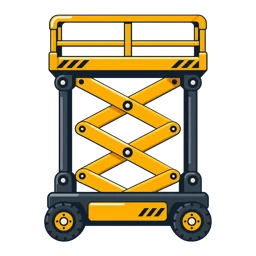
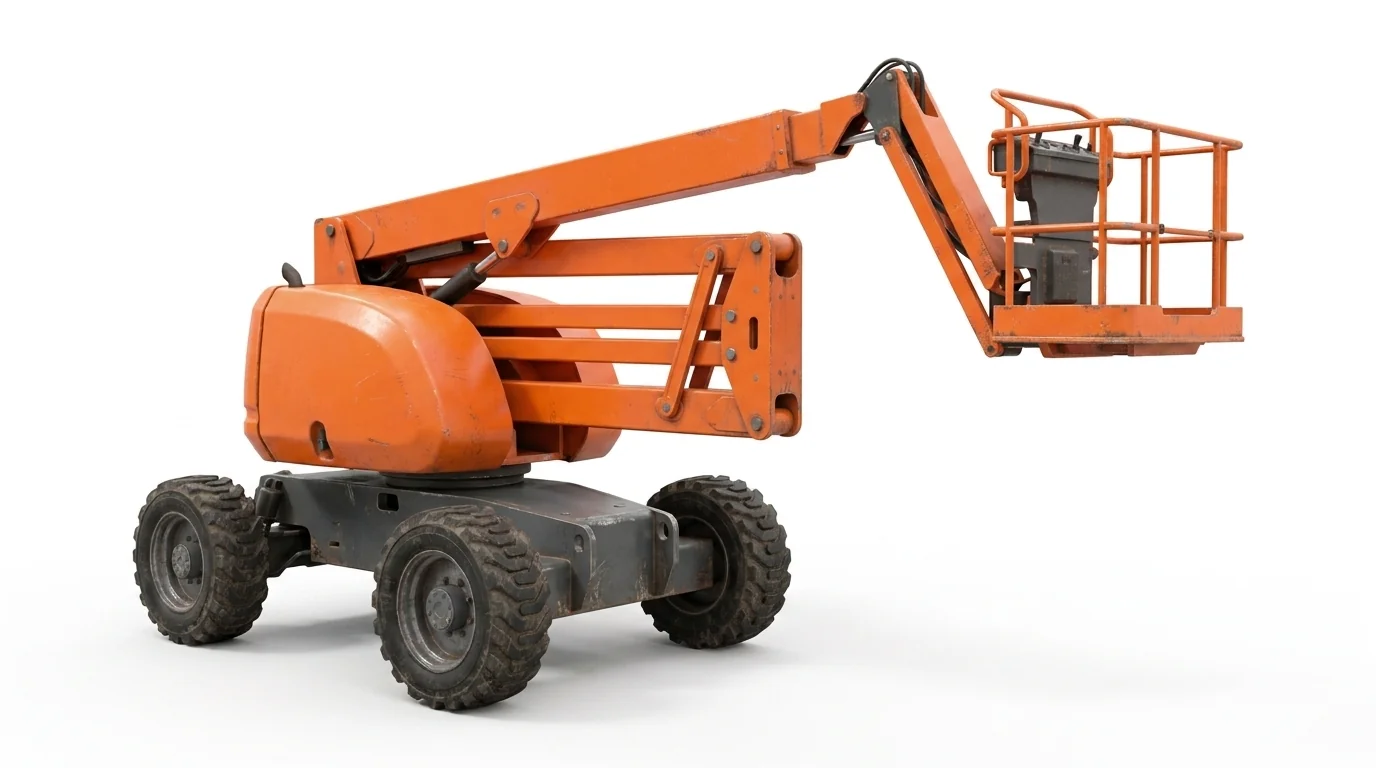
Scissor vs. boom in local conditions
- Scissor lifts: best for straight vertical access where the platform can sit below the work. Indoors, /electric-scissor-lift-rental/ models fit narrow aisles; outdoors, /rough-terrain-scissor-lift-rental/ handles unfinished surfaces subject to site conditions.
- Articulating booms: navigate over pipes, conveyors, and architectural features. Useful around renovated structures with irregular facades or interior obstructions. See /boom-lift-rental/ and /articulating-boom-lift-rental/ for options.
- Telescopic booms: reach farther from set-back positions common near truck courts or retention areas. See /telescopic-boom-lift-rental/ when straight outreach is the main need.
Factors that narrow the choice in Winston-Salem
- Floor capacity in repurposed interiors may rule out heavier units; compact electrics reduce point loads.
- Outdoor clay soils can soften after rain; bearing capacity and level setup govern RT scissor or boom suitability.
- Aisle width and racking heights in distribution buildings restrict chassis width and tail swing.
- Noise and emissions matter in occupied facilities; electric drives reduce disruption during maintenance windows.
Height, reach, and working room
- Height: choose platform height with headroom for tools and fixtures.
- Horizontal reach: if the task is set back from the machine’s position, an articulating or telescopic boom may be required.
- Working room: confirm door widths, turning radii, and staging clearances along the entire path.
Material handling vs. personnel access
If the primary goal is lifting pallets, pipe, or equipment rather than people, consider /forklift-rental/ for indoor loads and /telehandler-rental/ for outdoor reach and rough terrain.
Typical city use cases
- High-bay lighting or fire protection in distribution buildings: electric scissors or vertical mast lifts from /vertical-mast-lift-rental/ for ultra-tight aisles.
- Overhead maintenance in active labs or classrooms: quiet, compact electrics to limit disruption.
- Exterior envelope repairs on sloped grades: articulating or telescopic booms positioned on level pads, per site procedures and unit instructions.