Articulating vs. telescopic in local scenarios
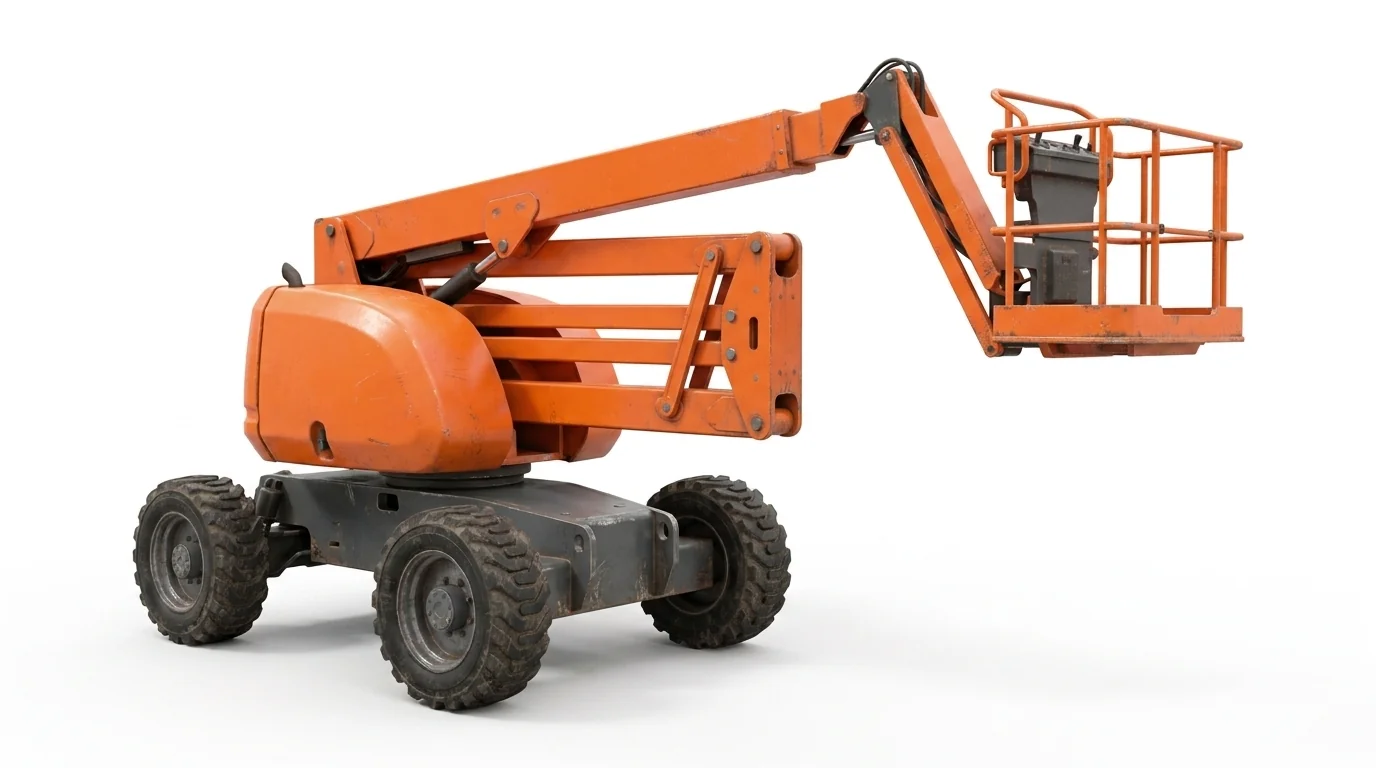
- Articulating booms: ideal for up-and-over access inside renovated industrial spaces or around complex building envelopes. Multiple joints clear pipes, conveyors, and architectural projections with shorter tails.
- Telescopic booms: excel where the machine must stand back—across truck courts, retention features, or landscaped setbacks—common at logistics and commercial sites.
Ground and floor considerations
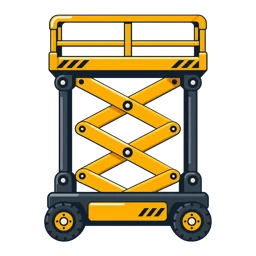
- Indoors on older slabs or mezzanines, boom weights and point loads may exceed limits. Compact /electric-scissor-lift-rental/ units or /vertical-mast-lift-rental/ can be lighter alternatives.
- Outdoors, Piedmont clay and rolling grades affect level setup and travel. Select models based on required outreach from stable, level positions as governed by the unit’s instructions and site procedures.
Clearance, swing, and transport path
- Tail swing and counterweight clearance matter near racking, columns, and preserved interiors.
- Door and gate widths, overhead utilities, and site traffic flows can constrain delivery and repositioning.
Height, outreach, and platform capacity
- Height and horizontal reach are paired; longer reach requires more stand-off room for boom articulation.
- Platform capacity should reflect the weight of personnel, tools, and small components needed at elevation.
When a boom isn’t the right tool
- Straight vertical tasks under open bays may be faster with /electric-scissor-lift-rental/.
- Material placement or unloading tasks often fit /telehandler-rental/ or /forklift-rental/ better than a personnel platform.
City work patterns
Innovation and logistics projects often combine interior maintenance with exterior access over obstacles. Matching boom type to obstacle geometry and ensuring compliant setup on firm surfaces keeps schedules intact during variable weather windows common to the regional climate.