Start with the obstacle map
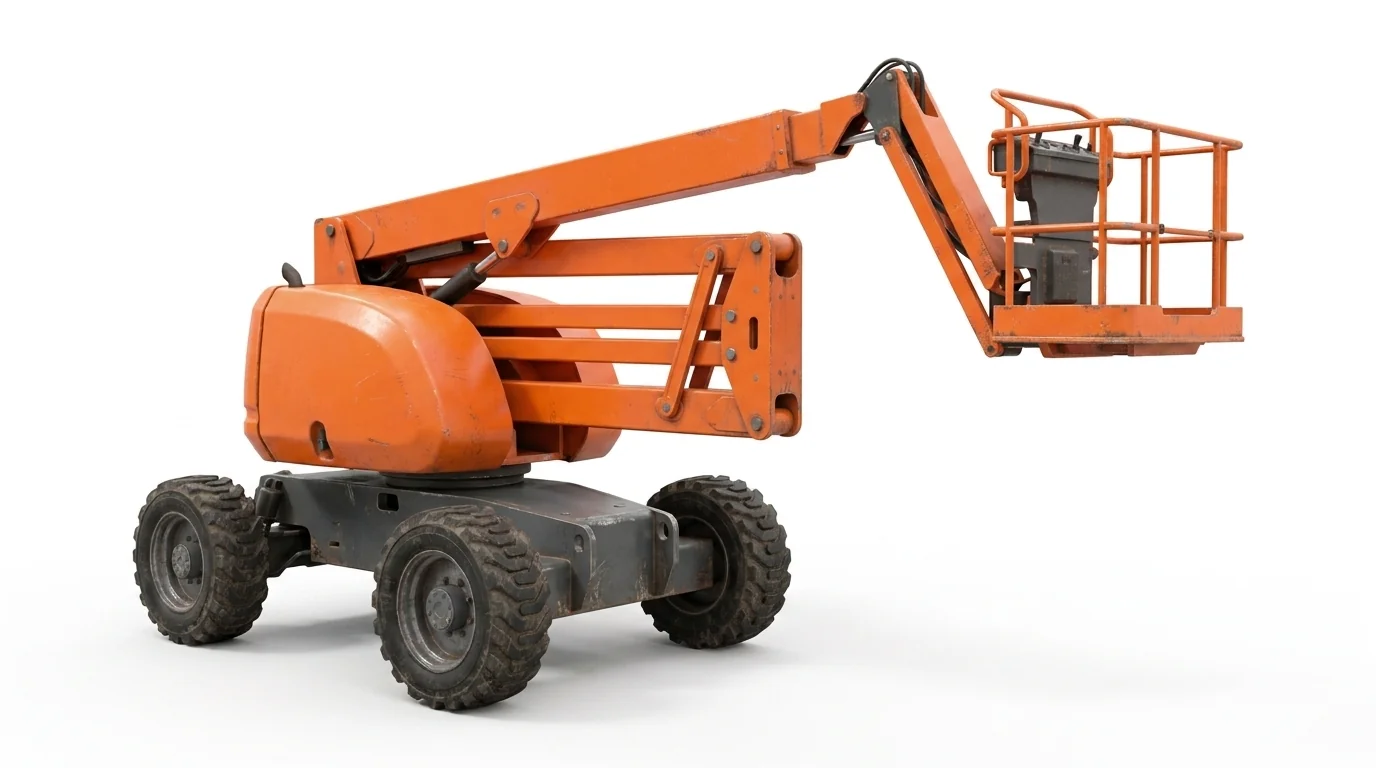
Articulating booms earn their keep when the platform must go up, out, and over. Sketch the work point, then ask: - Can the machine sit below the task, or does it need to reach over a parapet, canopy, or pipe rack? - What is the narrowest pinch point on the approach route—doorway, hallway, gate, or between equipment? - How high must the platform land, and how far horizontally from the chassis centerline?
Angles and joint positions matter. On jobs around repurposed industrial interiors, knuckles help clear catwalks and low trusses. In newer biotech-style labs and data spaces, the boom may need fine positioning above sensitive equipment where drift room is limited.
Local ground and floor realities
Winston-Salem’s rolling Piedmont terrain and clay soils can soften after rain, affecting setup and travel outside. For exterior work on graded lots or unpaved lanes, look at rough-terrain spec variants and ground clearance. Indoors, many renovated floors have load limits that favor lighter, compact electric booms. In repurposed mill-style buildings, floor thickness and unknown fill under slabs can constrain total weight and point loading; compact articulating units or vertical mast lifts sometimes fit better for short reaches.
Power, tires, and emissions planning
- Indoors: Electric articulating models avoid exhaust and reduce noise for occupied healthcare and education spaces. Check turning radius against corridor and elevator dimensions.
- Outdoors: Diesel or hybrid options provide duty cycle for longer exterior shifts. Foam-filled or rough-terrain tires help with uneven grades common on redevelopment sites.
When a different aerial category is cleaner
- Straight, unobstructed reach to a distant point? Compare with a telescopic boom.
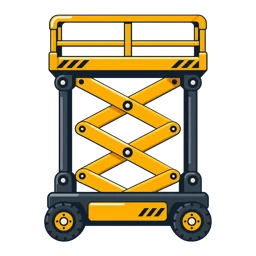
- Mostly vertical work over smooth slabs? An electric scissor lift may be more efficient.
- Large exterior slab pours, steel, or panel placement? Keep the boom for access but pair with a telehandler for materials.
Measurements that narrow your choice
- Platform height and outreach required, considering obstacles between base and work point
- Maximum machine width and stowed height versus all access points
- Surface type along the full path: slab, pavers, compacted gravel, lawn, or clay
- Indoor ventilation requirements and noise limits during occupied hours
Actual site conditions, the selected unit’s instructions, and site procedures govern safe planning and use.
For broader aerial comparisons, see boom lift options or the overview at aerial lifts.