Define the straight-line geometry
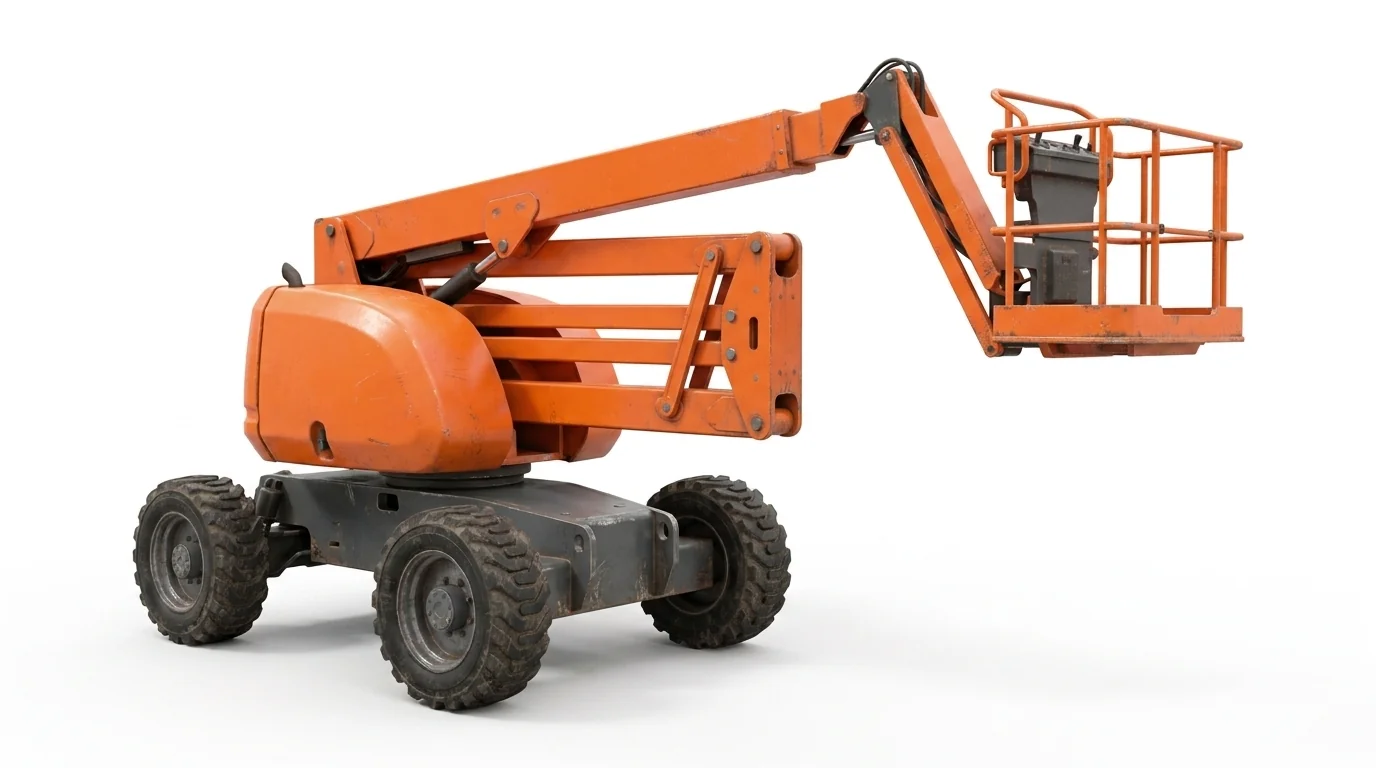
Telescopic booms excel when there are few overhead obstacles between base and target. Plan from the ground location: - Can the machine align directly with the work without threading under structures? - Is there enough tail swing clearance around the turret and counterweight? - How far horizontally is the work point from the planned chassis location, and at what height?
If obstructions block a clean sightline—pipes, canopies, catwalks—an articulating boom may position faster.
Surface and slope around Winston-Salem
Local sites mix paved aprons with graded, clay-based fill. After wet weather, uncompacted edges and utility corridors may not support heavier units. Rough-terrain packages, four-wheel drive, and appropriate tires are commonly selected for construction perimeters and yard edges, but the actual site surface determines feasibility. For predominantly indoor or tight urban renovation, a long-reach straight boom may be the wrong tool; see aerial lifts for alternatives.
Industrial reach versus interior access
Straight booms are frequent choices for: - High-bay façade and roof-line work on industrial sites - Signage, lighting, and camera placement along wide aprons - Steel erection where a clear pick point exists
Where doors, corridors, or freight elevators limit size, a vertical mast or electric scissor often fits better. If materials must accompany the access, coordinate with a telehandler for staging.
Key constraints to document
- Maximum required platform height and horizontal outreach
- Narrowest access width along the travel route
- Expected ground conditions at the setup point, including grade and compaction
- Overhead clearance during ingress, egress, and swing
Actual conditions, the selected unit’s instructions, and site procedures govern safe planning and use.
Explore category differences at boom lift options or the full products list.